Get help from an expert like Brad


Wine 101: Understanding Oak
- Jul 11, 2019
Have you ever wondered what Oak aging is? Let's learn the origins of this unique winemaking process, and how it affects the taste profiles of each wine.

1. Why do we age wine with Oak?
Oak is to wine what salt is to food; it adds complexity, depth, and dimension. It is found in both New and Old World vintages for red and white wines. Oak is generally harvested for wine in three regions: France, Hungary, and America. When done well, oak aging balances the flavors beautifully, but when applied without skill or knowledge, it can drown out the other elements and flavors of wine.
Let's learn the origins of this unique winemaking process, and how it affects the taste profiles of each wine.

2. Who was the first to use oak aging?
In ancient cultures, wine was mostly stored in large clay jugs, but in some Mediterranean regions, barrels were fashioned from palm trees. Eventually, the Roman coopers discovered that oak was more pliable, less porous, and waterproof, and therefore more conducive to be used for barrels. The abundance of oak forests in Europe was instrumental in how quickly Oak became the most popular medium for storing and transporting wine.
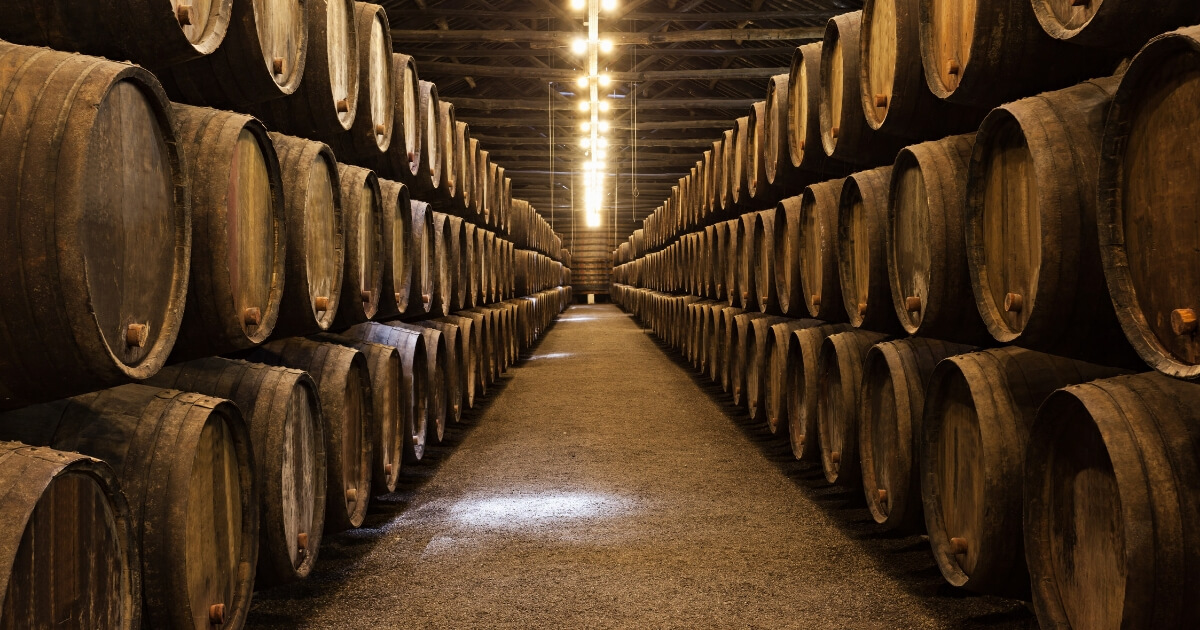
3. What elements are involved in Oak aging?
There are four ways in which oak is introduced into the aging process:
1. Essence, which comes in liquid form (cheapest)
2. Chips (cheaper)
3. Staves (better quality)
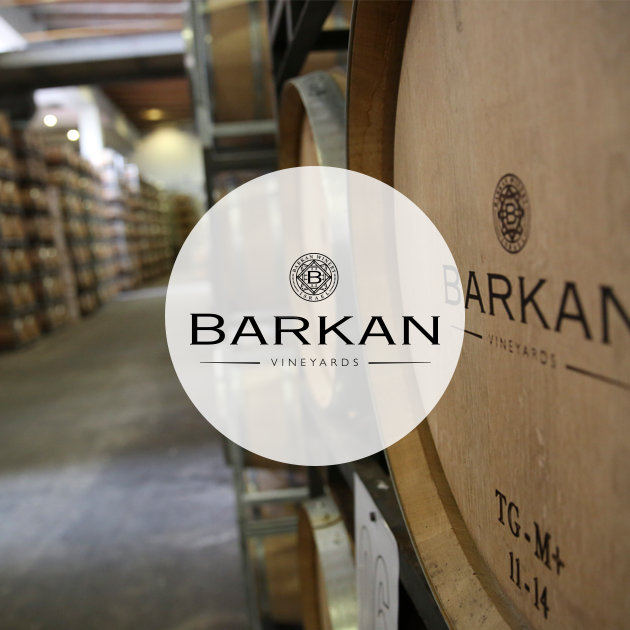
4. Barrels, for storage lasting eight months to 18 months or longer (high end)
“Neutral oak” is oak barrels that has been used in aging at least three batches of wine, while “new oak” has only been used 1-3 times. While neutral oak imparts less flavor, it is still used because it continues to add to the body of the wine.

4. Where does the Oak used in aging come from?
Most French wines use French oak, which imbues the wine with notes of vanilla and caramel, and gives the wine a deep, round flavor profile. Pinot Noir and Chardonnay are varietals that absorb French oak quite well.
Hungarian oak is typically used for making large batches of wine. It is fairly similar to French oak, but costs less. This type of oak does well with full-bodied varietals such as Malbec and Petit Verdot.
American oak (often from Missouri) imbues wine with flavors of dill and coconut and are used by most American wineries.

5. How does Oak aging affect wine?
Oak softens wine, giving it a smoother taste, and further improving the flavors and aromas. In many wines, contact with oak develops flavors of vanilla, clove, cinnamon, allspice, caramel, toffee, honey, and butter.
California’s Herzog Wine Cellars in Oxnard conducted an unusual, but interesting experiment; they wanted to see how French and American barrels differ in how they affect a wine’s flavor and texture. Using both types of oak barrels to age the exact same Cabernet Sauvignon wine, they found the following results: The French oak barrels imparted flavors of vanilla, chocolate, and even some clove and spice. The texture was round, and as smooth as satin. The American oak barrels gave off a rich, creamy texture that showed notes of tantalizing, fresh black plum with hints of butterscotch and toasted pecan. Both cabernet sauvignon wines would pair nicely with steak and grilled meats, although a deeper, older cut of meat with an earthy tone would go better with the French oak, while a flavor-popping bold style steak would pair best with the American oak.
Taste testing both the French oak and American oak Herzog varieties would make an intriguing conversation starter at your next barbecue, dinner party, or holiday feast.