Get help from an expert like Brad


Wine 101: Cellar Aging Wine
- Jul 17, 2019

1) Why do we cellar wines?
Aging wine is an art: whether determining which wines to age, how long to age them, or the proper aging environment. If you allow your wines to reach their prime drinking condition, you will be able to experience the true pleasure of a perfectly aged wine. Wines have become a very stable investment, and proper aging only increases the value of that investment.
A properly aged wine is the ultimate in luxury, class, and pleasure. The harshness of some young wines will disappear, the oak will round out to caress and coax the palate, and the flavors will develop notes reserved only for the patient few that can wait to enjoy aged wines.
A young wine can exhibit a sense of “closedness”, as if the wine isn’t ready to be woken from it's slumber and allows the drinker to experience only part of it's beauty. The fresh fruit flavors mesh and develop into a clever concoction of earthiness, dried fruit, and lusciousness. The balance of the wine allows the drinker to experience its truest form: the tannins, the acid, and the flavors stewing together to form a complex, developed and united profile.
If stored properly, wine will continue to improve for five years, eight years, or possibly even decades after vintage. There are few greater pleasures for wine lovers than to go down to a cool cellar and to pick out an old, dusty bottle (for example the Yarden Cabernet Sauvignon 1997). The bouquets burst forth, and the flavors upon waking up are a delightful tasting experience.
2) How do I cellar wine?
Establishing a proper place for storage is key. You can purchase a Herzog Special Reserve Chalk Hill - which can easily age for 20 years. (I recently had the pleasure of opening the 1994 Chalk Hill and it was stupendous, plus it was mevushal). But unless you properly age it, the wine will not last more than 2-3 years.
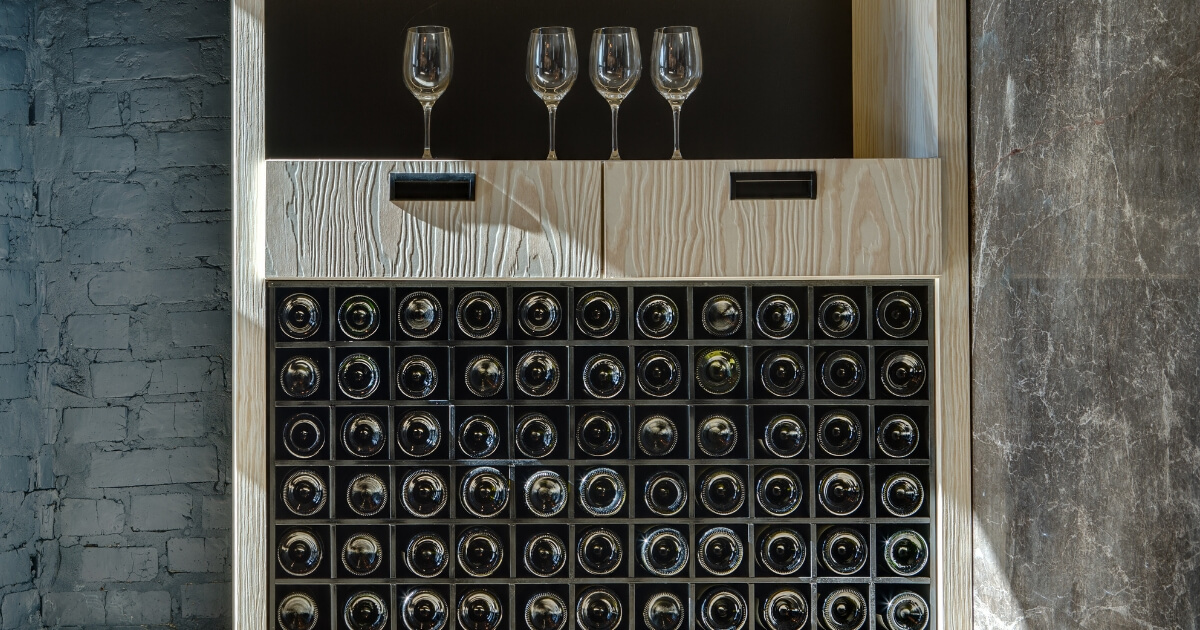
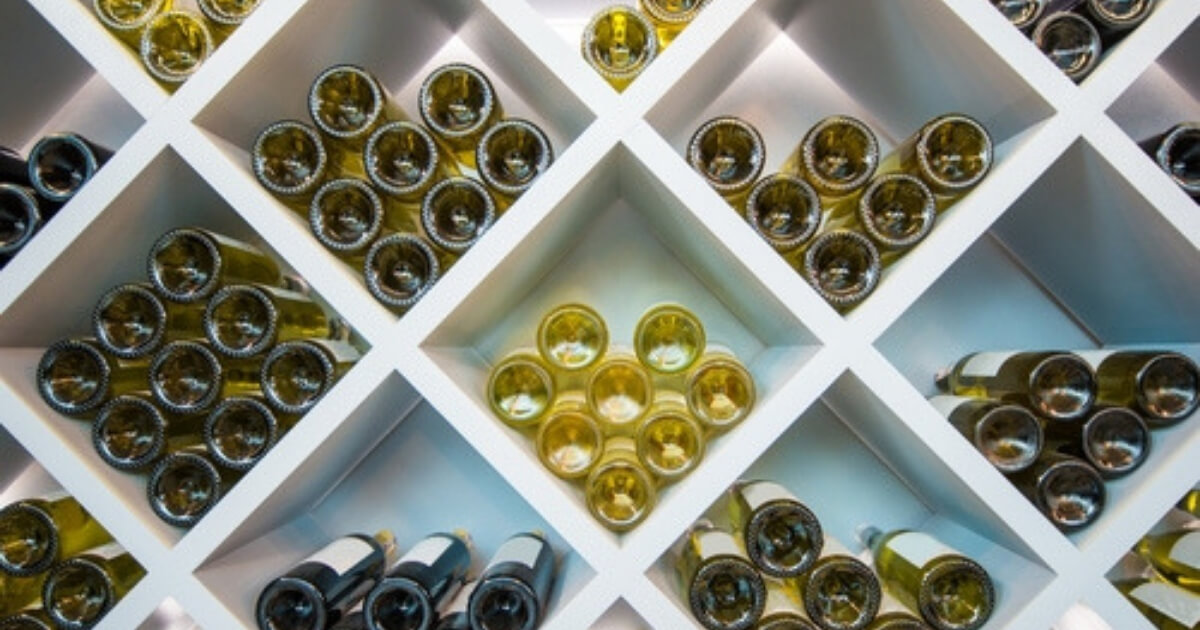
One way to have proper storage is to invest in a wine fridge. These fridges have rows that will allow the bottles to fit properly. Look out for the Burgundy shaped bottles, which are thin at the top and fat at the bottom. Research your fridge to ensure that the Burgundy bottles will fit on the shelves. The fridge should be kept at a constant temperature of 54 to 56 degrees Fahrenheit to ensure the wine does not get too cold, which can stunt the aging process, or too hot, which can cook the wine.
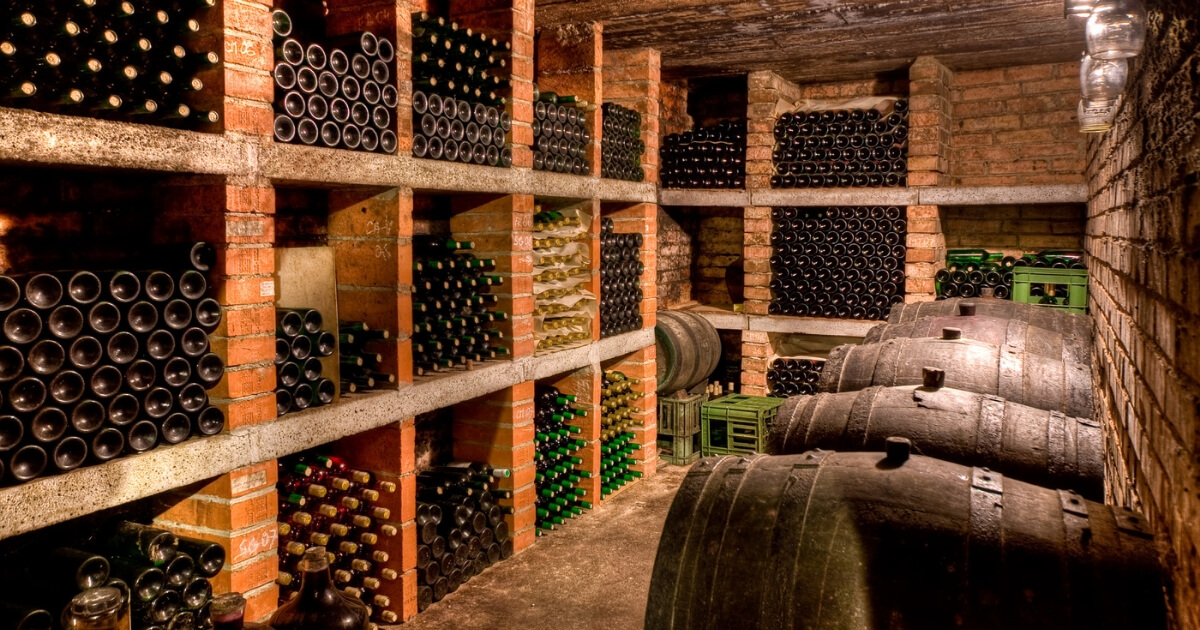
Another option, while not cost-effective for most people, is to build a wine cellar or cave. I have been in wonderfully built ones that house wine in an aesthetically beautiful and climatically proper place. These cellars are expensive because of the cost of proper temperature control and wine racks; but if done properly, it can provide fun organizing the cellar, as well as proper permanent storage.
The third option, and the best one, is a professional storage facility. Your wine will still be stored at the appropriate temperature in the facility; however, your wine will not be as easily accessible as having it in your home.
The most important rule for aging wine is to Keep Calm and Store it Well. Store your wine away from sound, light, heat, and vibration. Wine likes to rest and age calmly; it wants quiet, it wants to stay put and not be moved… it wants to remain in a place that is cool and dark.
3) Which types of varietals are the best to cellar?
Not all wine can be cellared, and not all wine develops with age. Follow these guidelines to avoid a cellaring faux pas.
Most white wines do not age well, although there are white wines from the 1990s still floating around the Kosher market that are wonderful to consume now. But most white wines that are made in a lighter, non-malolactic style have at most three years of storage.
To find a red wine that can age well, look for wines that are aged in oak barrels. Oak barrels allow wine to gain roundness, body, and complexity, all factors needed to age a wine for multiple years.
Look for grape varieties that are designed for aging. Gamay is a young drinking grape and does not age well. Choose grapes like Cabernet Sauvignon, Merlot, Pinot Noir (especially if it’s from Burgundy), and Syrah. All these varietals will age and develop meatier, earthier flavors as they continue to mature.
4) Which wines are good choices to start your Library?
Now that you now have a plan for how to cellar wine, it is time to establish a plan for investing in good wines to cellar. Due to the time frame required for cellar aging bottles to peak readiness, it is a good idea to establish an inventory that you can use to remind yourself to replenish the stock in your cellar so you can enjoy your collection with regularity throughout the years. The following suggestions will help give you a great starting point.
5 Years Cellaring:
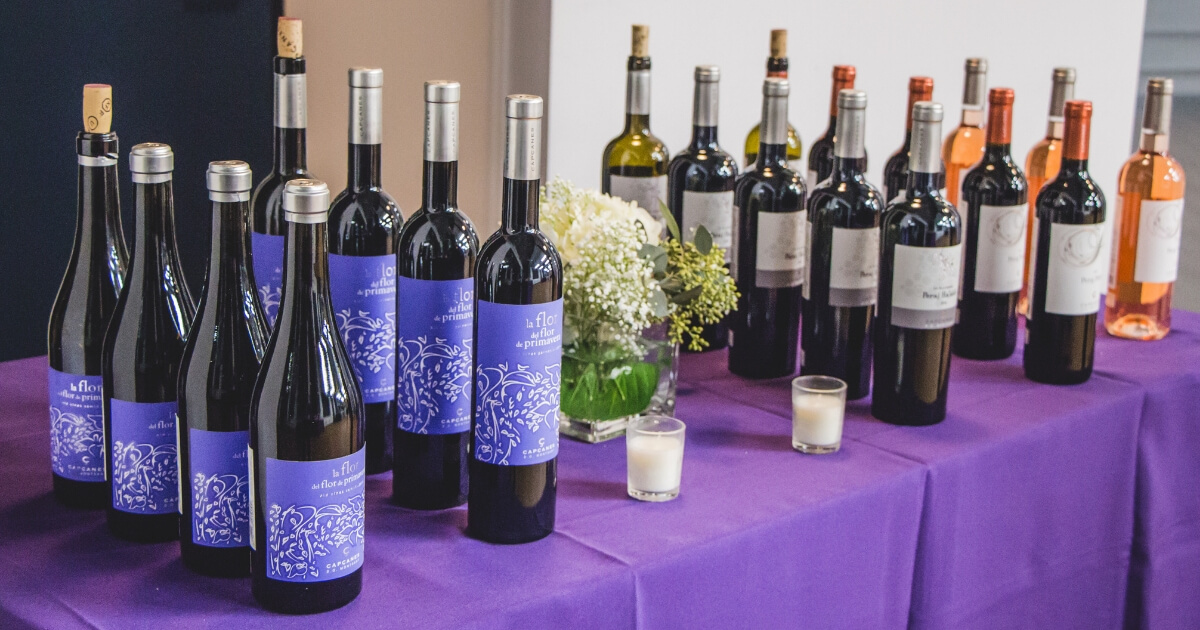
Try the Capcanes Peraj Petita (also available as Mevushal) This Spanish wine made from mainly grenache has a really nice “coming into it's own” potential. Five years is perfect for this wine as it will be at peak drinking then and really show off notes of leather and mushrooms.
10 Years Cellaring:
Try the Covenant Cabernet Sauvignon Napa Valley. This wine has plenty of time on it, let it rest appropriately and watch it evolve. I recently had the 03, 04, 05, and 08 and they are all showing nicely today!
20 Years Cellaring:
Try the Chateau Soutard. What a fantastic wine, with many years of cellaring potential! Buy a case and try one every year as you watch the wine develop additional nuances of flavor.
Follow these easy cellaring rules, and you too can enjoy this penultimate pleasure for years to come!